
Short answer: For an appliance leak, unplug the appliance if safe, shut off its water supply, remove standing water and dry the area. Hidden moisture under flooring and behind cabinets is the main risk, so a professional moisture check is worthwhile for anything beyond a small spill.
What is appliance leak cleanup?
Appliance leaks come from failed hoses, fittings, drain lines, tanks and seals. They are often slow and unnoticed, so water can reach subfloors and cabinets before anyone sees it.
Common causes and situations
- Washing machine supply hoses
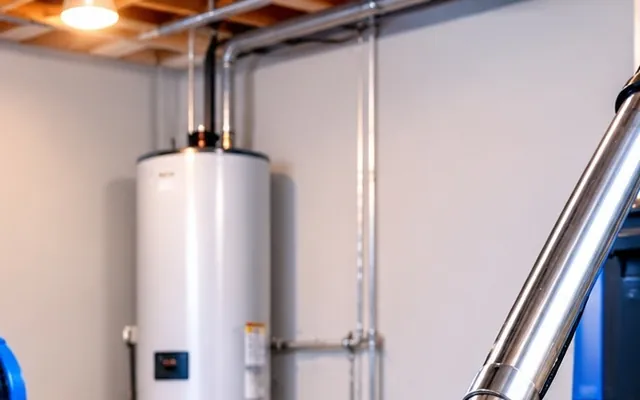
- Water heater tank failure or valve leaks
- Dishwasher door seals and drain lines
- Refrigerator ice-maker lines
- Overflowing sinks and toilets
Signs you may need help
- Warped floor near an appliance
- Soft cabinet bases
- Musty odor in the laundry room or kitchen
- Water stains on the ceiling below
What the process generally involves
- Shut off the supplyClose the appliance valve or the main valve.
- Remove waterExtraction from floors and cabinets.
- Inspect hidden areasMoisture meters check subfloor and wall bases.
- DryTargeted drying under cabinets and flooring.
- Repair or replaceDamaged flooring or cabinet bases are replaced.
Equipment and methods
Wet vacuums, moisture meters, thermal cameras, small-footprint air movers and drying mats for floors.
Safety considerations
- Unplug before touching, only if the outlet is dry.
- Water heater leaks may involve hot water or gas - turn off gas if you smell it and leave.
- Be aware of slip hazards.
What to do right now
- Shut off the appliance supply
- Unplug if safe
- Mop and ventilate
- Call for a moisture check if water reached cabinets or flooring
When to contact a professional
When water has spread beyond the immediate area, reached subflooring, or the leak has been ongoing for days. If you are not sure where to start, learn how the call process works or read about Idaho water damage services.
What affects cost?
Providers set their own prices, and costs vary with the factors below. We do not publish prices because we do not set them; ask the provider for an explanation of charges before work begins.
- Extent of hidden moisture
- Flooring type
- Cabinets or drywall removed
- Drying time
- Appliance replacement, which is separate
Local relevance in Idaho
Hidden leaks are common in Idaho's many newer subdivisions where laundry rooms and water heaters sit on upper floors, so water can travel through ceilings below. Callers in these areas can request help, subject to provider availability:
Frequently asked questions
Is a small washing machine leak a big deal?
It can be. Repeated small leaks can saturate subflooring and cause mold without obvious signs.
Who fixes the appliance?
An appliance repair technician or plumber; the water damage provider handles the water and drying.
How do I prevent leaks?
Replace rubber hoses with braided lines, check them periodically and shut off supply valves when away.
Related services
Burst Pipe Water Damage
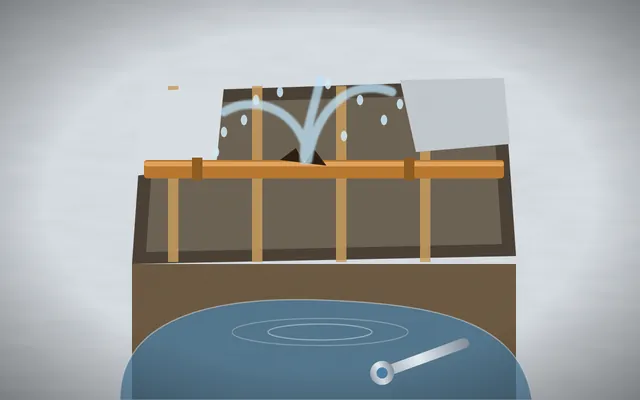
If a pipe has burst, shut off the main water valve immediately, avoid electrical hazards, open faucets to relieve pressure and call for help.
Learn more →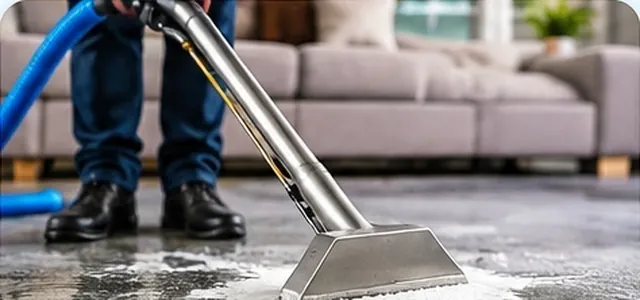
Water Extraction
Water extraction is the removal of standing and absorbed water using pumps and extractors - the first active step in drying a wet building.
Learn more →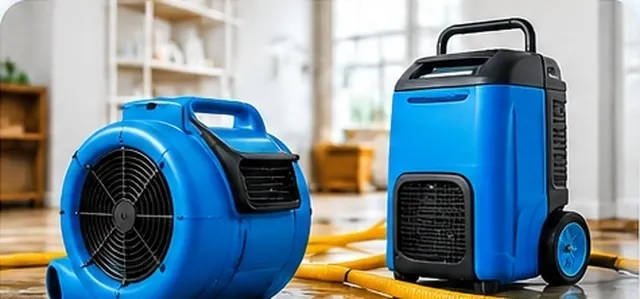
Structural Drying
Structural drying uses controlled airflow, dehumidification and moisture monitoring to remove water from building materials after extraction.
Learn more →
Residential Water Damage Restoration
Residential water damage restoration covers houses, townhomes, condos and rental homes.
Learn more →