
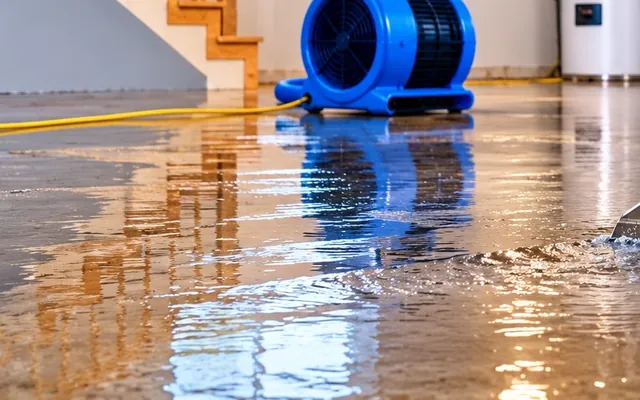
Short answer: Flood damage cleanup removes floodwater, mud and contaminated materials and dries and sanitizes the structure. Floodwater is typically treated as contaminated, so professional handling and protective equipment matter. Call to be connected with a provider.
What is flood damage cleanup?
Flood damage comes from water entering a building from outside - overland flow, rising rivers or canals, saturated ground or heavy runoff - rather than from a plumbing failure inside. Because it picks up soil, bacteria and chemicals, it is usually considered contaminated (Category 3) in the restoration industry.
Common causes and situations
- Rapid snowmelt and spring runoff
- Heavy rainfall overwhelming drainage
- Overflowing creeks, rivers or irrigation canals
- High groundwater
- Failed or overwhelmed sump pumps
Signs you may need help
- Mud or silt on floors
- Water lines on walls
- Musty or earthy odor
- Warped doors and trim
What the process generally involves
- Safety checkUtilities, structural stability and contamination are evaluated.
- Remove water and mudPumps, extractors and manual removal clear water and silt.
- Remove contaminated porous materialsCarpet, pad, insulation and some drywall commonly cannot be safely cleaned.
- Clean and disinfectRemaining surfaces are cleaned and treated.
- Dry thoroughlyDehumidification and air movement continue until moisture targets are met.
Equipment and methods
Pumps, extractors, protective suits and respirators, air scrubbers where indicated, air movers and dehumidifiers.
Safety considerations
- Avoid contact with floodwater; it may carry bacteria and chemicals.
- Do not use electrical appliances in flooded areas.
- Be alert for structural damage and slippery surfaces.
- Check local authorities before returning to a flooded area.
What to do right now
- Stay out of floodwater
- Do not run flooded appliances
- Photograph the damage
- Contact your insurer and a provider
When to contact a professional
Floodwater is rarely a DIY cleanup. Call a professional when water entered from outside, when it covered floors or reached walls, or when contamination is possible. If you are not sure where to start, learn how the call process works or read about emergency water damage services in Idaho.
What affects cost?
Providers set their own prices, and costs vary with the factors below. We do not publish prices because we do not set them; ask the provider for an explanation of charges before work begins.
- Depth and duration of flooding
- Amount of contaminated material removed
- Square footage
- Drying time
- Rebuild scope
Local relevance in Idaho
In parts of Idaho, spring snowmelt and irrigation season can raise water tables and fill drainage channels; conditions vary by area. Callers in these areas can request help, subject to provider availability:
Frequently asked questions
Is flood damage the same as water damage?
They overlap, but flooding typically involves outside water that is contaminated, which changes the safety steps and what can be salvaged.
Does homeowners insurance cover flooding?
Standard homeowners policies commonly exclude flood. Flood coverage is usually a separate policy. Confirm with your insurer.
What can be saved after a flood?
Hard, non-porous items can often be cleaned; carpet, padding and insulation usually cannot.
Related services
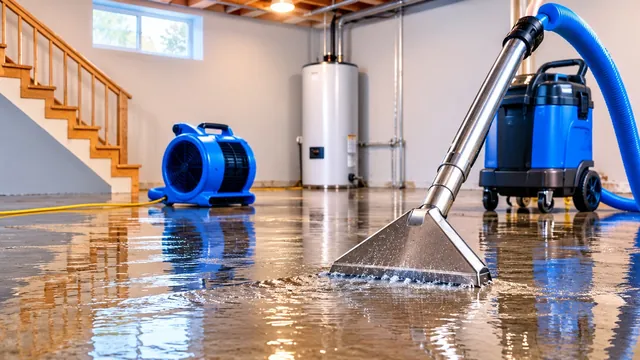
Basement Flood Cleanup
If your basement has flooded, stay out of the water until electricity is addressed, stop the source if you can, and call a professional to pump out water and dry the space.
Learn more →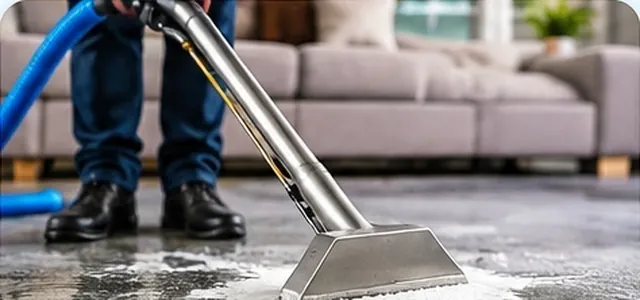
Water Extraction
Water extraction is the removal of standing and absorbed water using pumps and extractors - the first active step in drying a wet building.
Learn more →
Sewage Backup Cleanup
Treat sewage as a health hazard: keep people and pets away, do not try to clean it with household tools, and call a professional.
Learn more →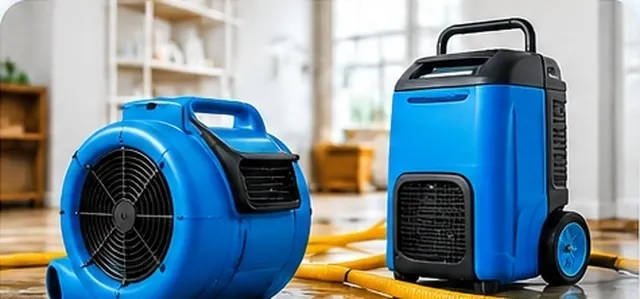
Structural Drying
Structural drying uses controlled airflow, dehumidification and moisture monitoring to remove water from building materials after extraction.
Learn more →