
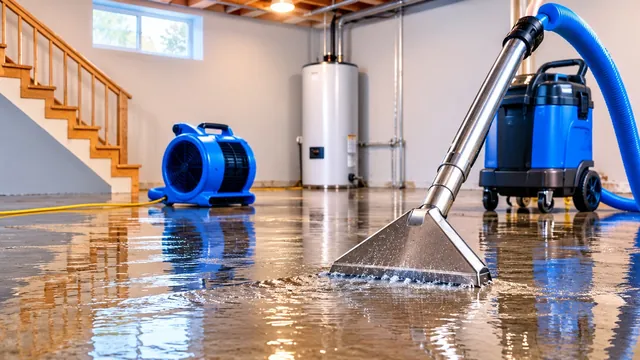
Short answer: If your basement has flooded, stay out of the water until electricity is addressed, stop the source if you can, and call a professional to pump out water and dry the space. Basements hold moisture longer than upper floors, so drying matters as much as removal.
What is basement flood cleanup?
Basement flood cleanup covers pumping out water, removing wet materials, cleaning, drying and checking for the cause - whether groundwater, a failed sump pump, a plumbing failure or a sewer backup.
Common causes and situations
- Sump pump failure or power outage
- Snowmelt or heavy rain saturating soil
- Window-well or foundation leaks
- Failed water heater or plumbing lines
- Sewer backup through floor drains
Signs you may need help
- Water seeping at wall-floor joint
- Efflorescence (white mineral deposits)
- Musty smell
- Damp carpet in finished basements
What the process generally involves
- Stay safeDetermine if water is touching outlets or appliances.
- Identify the sourceClean plumbing leak vs. groundwater vs. sewer determines handling.
- Pump out graduallyExperienced providers lower water in stages so foundation walls are not stressed.
- Remove wet materialsCarpet, pad, insulation and wet drywall are removed where needed.
- Dry and dehumidifyBasements often need extended dehumidification.
- Address the causePump repairs or drainage corrections reduce repeat flooding.
Equipment and methods
Submersible pumps, extractors, dehumidifiers, air movers and moisture meters; air scrubbers when sewage or mold is a concern.
Safety considerations
- Never enter a flooded basement if water is above outlets or near the panel.
- Be careful on stairs - they may be slick.
- Do not run a household vacuum in water.
- Treat water from drains as contaminated.
What to do right now
- Shut off the water supply if it is a plumbing leak
- Keep out of deep water near electricity
- Move items from lower shelves
- Call a provider
When to contact a professional
Basement water more than a thin film, any sewage, or water that returns after drying should be handled professionally. If you are not sure where to start, learn how the call process works or read about water damage restoration help in Idaho.
What affects cost?
Providers set their own prices, and costs vary with the factors below. We do not publish prices because we do not set them; ask the provider for an explanation of charges before work begins.
- Water depth and area
- Finished vs. unfinished basement
- Materials removed
- Drying duration
- Sump or drainage repairs, which may be separate
Local relevance in Idaho
Many Treasure Valley and eastern Idaho homes have finished basements; irrigation-season groundwater and spring melt can raise risk in some neighborhoods. Callers in these areas can request help, subject to provider availability:
Frequently asked questions
Should I pump the basement out all at once?
Not necessarily. Rapidly emptying a basement surrounded by saturated soil may stress walls; professionals typically lower water in stages.
Is basement water always clean?
No. Groundwater and sewer water can carry contaminants.
How do I prevent it from happening again?
Maintain the sump pump (and consider a battery backup), keep gutters and downspouts directing water away, and address foundation leaks.
Related services
Flood Damage Cleanup
Flood damage cleanup removes floodwater, mud and contaminated materials and dries and sanitizes the structure.
Learn more →
Water Extraction
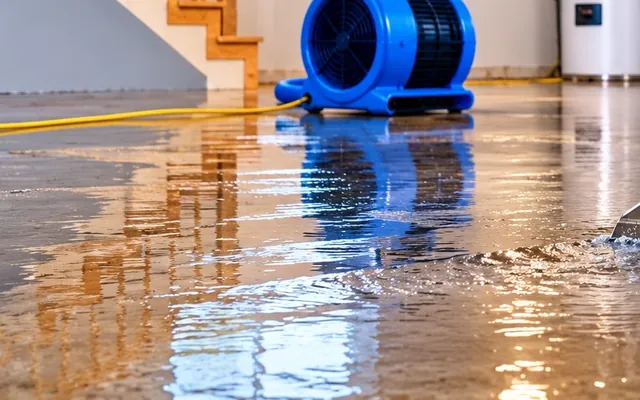
Water extraction is the removal of standing and absorbed water using pumps and extractors - the first active step in drying a wet building.
Learn more →
Structural Drying
Structural drying uses controlled airflow, dehumidification and moisture monitoring to remove water from building materials after extraction.
Learn more →
Sewage Backup Cleanup
Treat sewage as a health hazard: keep people and pets away, do not try to clean it with household tools, and call a professional.
Learn more →