
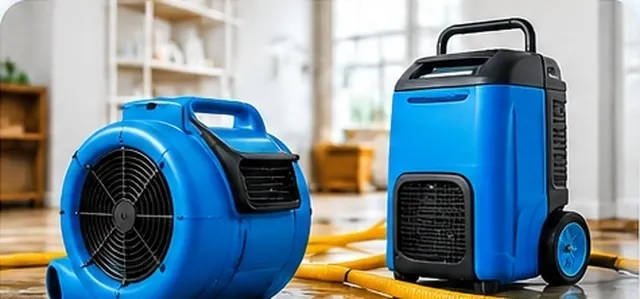
Short answer: Structural drying uses controlled airflow, dehumidification and moisture monitoring to remove water from building materials after extraction. It typically takes several days, and the goal is to reach dry standards rather than simply to make surfaces feel dry.
What is structural drying?
Even after puddles are gone, wood framing, drywall, subfloors and concrete hold moisture. Structural drying evaporates that moisture and removes it from the air so materials return to normal moisture content and mold risk is reduced.
Common causes and situations
- Any loss where water soaked into walls, floors or ceilings
- Slow leaks discovered late
- Flood or storm intrusion
- Extinguished fire sprinklers
Signs you may need help
- Walls that feel cool or damp
- Cupping or buckling floors
- Musty smell
- Condensation on windows after a leak
What the process generally involves
- MeasureMoisture meters and thermal imaging map wet areas and set a baseline.
- Set equipmentAir movers circulate air across wet surfaces; dehumidifiers remove moisture from the air.
- Open wall cavities if neededSmall openings or removal of baseboards can allow drying behind surfaces.
- Monitor dailyReadings are repeated and equipment adjusted.
- Confirm dryEquipment is removed when materials reach drying goals.
Equipment and methods
Axial and centrifugal air movers, LGR or desiccant dehumidifiers, injectidry-style panel drying systems for floors and walls, hygrometers and moisture meters.
Safety considerations
- Keep equipment cords away from wet areas.
- Do not block air-mover intake.
- Keep children and pets away from running equipment.
What to do right now
- Keep doors to the affected area closed so dehumidifiers work efficiently
- Do not turn off equipment placed by the provider
- Report new stains or smells
When to contact a professional
When water has been in the building for more than a few hours, or reached walls, subfloors or insulation. Fans from a hardware store cannot measure or confirm dryness. If you are not sure where to start, learn how the call process works or read about our Idaho water damage overview.
What affects cost?
Providers set their own prices, and costs vary with the factors below. We do not publish prices because we do not set them; ask the provider for an explanation of charges before work begins.
- Number of rooms and equipment days
- Materials involved (concrete, hardwood and plaster dry slowly)
- Humidity and weather conditions
- Monitoring visits
- Opening of walls or floors
Local relevance in Idaho
Idaho's generally dry climate can help evaporation, but heated buildings in winter and humid basements in spring may need dehumidification regardless. Callers in these areas can request help, subject to provider availability:
Frequently asked questions
How long does structural drying take?
Commonly around three to five days for many losses, but it varies with materials, humidity and how long materials were wet.
Why is the equipment so loud?
Air movers and dehumidifiers run continuously to move large volumes of air; this is normal.
How do I know it's dry?
Providers use meter readings against dry standards, not just touch.
Related services
Water Extraction
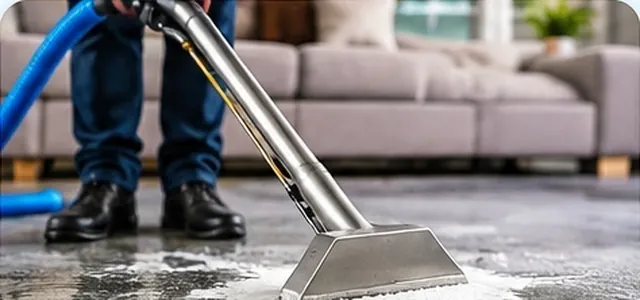
Water extraction is the removal of standing and absorbed water using pumps and extractors - the first active step in drying a wet building.
Learn more →
Water Damage Restoration
Water damage restoration is the full process of stopping the source of water, removing standing water, drying the structure and contents, cleaning affected materials and repairing what cannot be saved.
Learn more →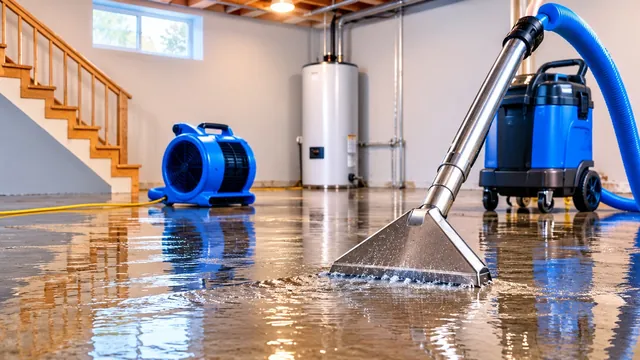
Basement Flood Cleanup
If your basement has flooded, stay out of the water until electricity is addressed, stop the source if you can, and call a professional to pump out water and dry the space.
Learn more →
Residential Water Damage Restoration
Residential water damage restoration covers houses, townhomes, condos and rental homes.
Learn more →