
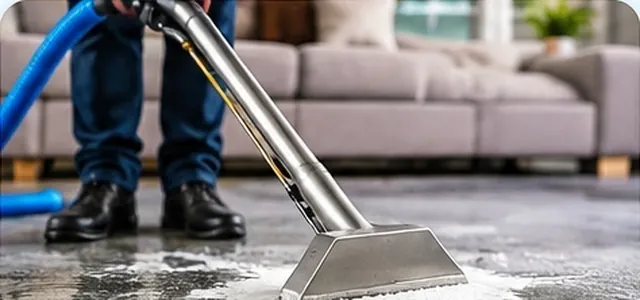
Short answer: Water extraction is the removal of standing and absorbed water using pumps and extractors - the first active step in drying a wet building. Call to be connected with a provider who can extract water from floors, carpet and padding.
What is water extraction?
Extraction is different from drying. Extraction physically pulls bulk water out of carpet, pad, hard floors and low areas; drying then removes the moisture still held in the structure. Doing extraction first shortens the drying stage.
Common causes and situations
- Plumbing failures that flood a floor
- Stormwater or groundwater entering a lower level
- Overflowing appliances
- Fire-suppression discharge
- Sump pump failure
Signs you may need help
- Visible standing water
- Squishy carpet underfoot
- Water wicking up walls
- Wet padding under carpet that looks dry on top
What the process generally involves
- Assess depth and water typeThe provider checks how much water is present and whether it may be contaminated.
- Pump out deep waterSubmersible pumps handle several inches of water.
- Extract from surfacesTruck-mounted or portable extractors pull water from carpet, pad and hard floors.
- Remove unsalvageable materialsSaturated padding and some carpets are commonly removed.
- Hand off to dryingMoisture is measured and structural drying equipment is set.
Equipment and methods
Submersible pumps, wet vacuums, portable and truck-mounted extractors, and moisture meters are typical tools. Contaminated water requires additional protective equipment.
Safety considerations
- Do not use a household vacuum on standing water.
- Stay out of the water if electrical equipment is submerged.
- Wear boots and gloves if you must enter gray or contaminated water.
What to do right now
- Stop the leak
- Lift furniture and rugs out of water
- Open windows only if weather and water type allow
- Call for extraction before materials soak through
When to contact a professional
Any time water is more than a thin film, or has reached carpet padding, drywall or cabinets. Towels and a wet vacuum rarely remove water trapped below the surface. If you are not sure where to start, learn how the call process works or read about local water damage assistance.
What affects cost?
Providers set their own prices, and costs vary with the factors below. We do not publish prices because we do not set them; ask the provider for an explanation of charges before work begins.
- Depth and volume of water
- Flooring type (carpet and pad vs. hard surface)
- Water category
- Accessibility of the space
- Whether extraction is combined with drying
Local relevance in Idaho
Homes with basements or finished lower levels in Idaho's valleys can accumulate water quickly when a sump pump fails or snowmelt saturates the ground. Callers in these areas can request help, subject to provider availability:
Frequently asked questions
How fast should standing water be removed?
As quickly as safely possible. Water soaks into drywall, baseboards and subfloors, and prolonged wetness raises the risk of mold and material failure.
Can I rent an extractor myself?
You can, but consumer machines remove less water and cannot find hidden moisture. Safety around electricity and contamination is also a concern.
Is extracted water always clean?
No. Water from sewers, rivers or appliances like washing machines can carry contaminants and needs extra precautions.
Related services
Emergency Water Removal
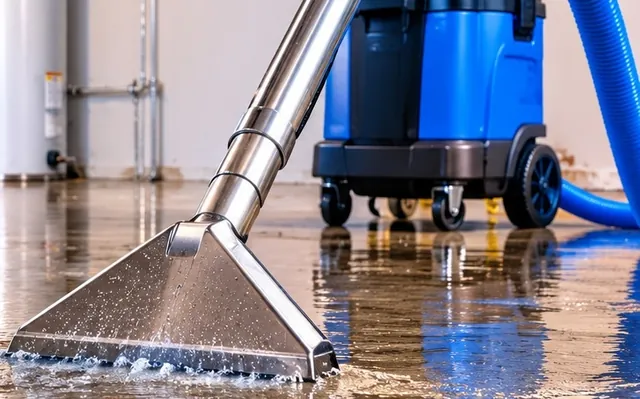
Emergency water removal means getting standing water out of a building as quickly as possible to limit damage.
Learn more →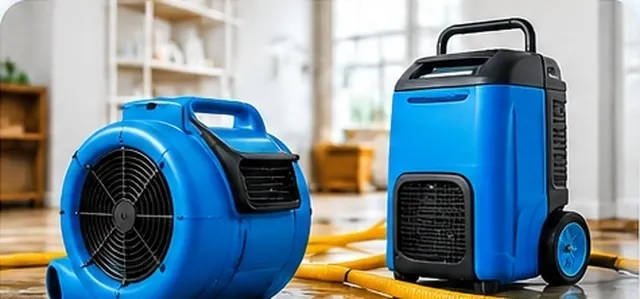
Structural Drying
Structural drying uses controlled airflow, dehumidification and moisture monitoring to remove water from building materials after extraction.
Learn more →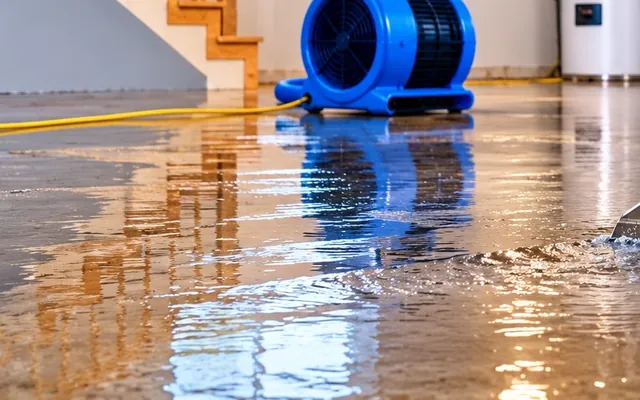
Flood Damage Cleanup
Flood damage cleanup removes floodwater, mud and contaminated materials and dries and sanitizes the structure.
Learn more →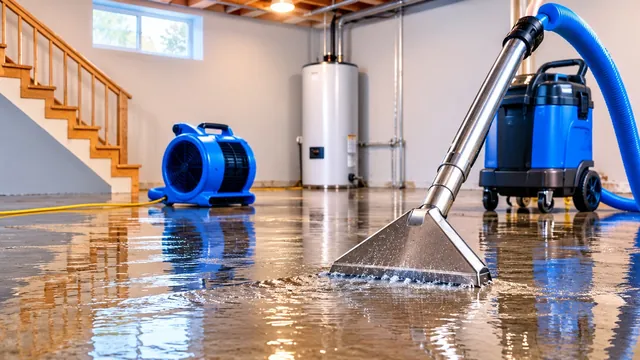
Basement Flood Cleanup
If your basement has flooded, stay out of the water until electricity is addressed, stop the source if you can, and call a professional to pump out water and dry the space.
Learn more →