
Short answer: In a water emergency, make the situation safe first: stop the water, avoid electrical hazards and move people and valuables out of harm's way. Then call to request help - your call may be connected with a provider, subject to availability in your area.
What is emergency water damage help?
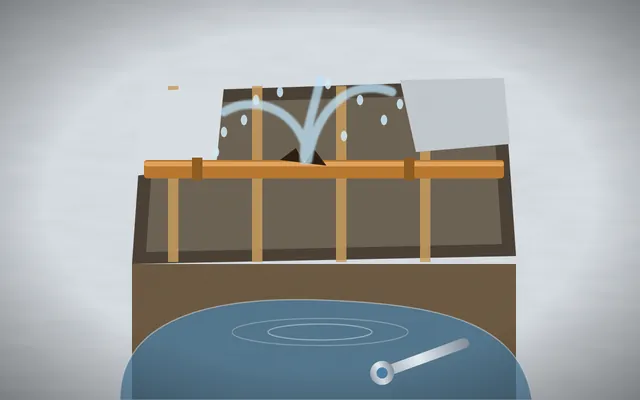
A water damage emergency is any situation where uncontrolled water is entering or spreading through a building - a burst pipe, a failed appliance, a roof leak, a sewage backup or rising groundwater. Speed matters because wet building materials begin to degrade quickly.
Common causes and situations
- A burst or frozen pipe
- Water heater tank failure
- Overflowing toilet, tub or sink
- Washing machine or dishwasher hose failure
- Storm-driven roof or window leaks
- Sewer line backups into floor drains
Signs you may need help
- Water actively running, dripping or pooling
- Ceilings that bulge or drip
- Water near electrical panels or outlets
- Sewage odors or water rising from drains
- Sound of running water when nothing is in use
What the process generally involves
- Make it safeKeep everyone away from water near electricity. If the panel is in a wet area, do not approach it; call your utility or emergency services.
- Stop the sourceClose the shutoff valve to the fixture, or the main water valve. Know where your main shutoff is before an emergency happens.
- DocumentPhotograph affected areas and damaged items for your records.
- Call for helpCall and describe what happened so you can be connected with an available provider.
- Limit further lossLift furniture off wet carpet, remove small items, and open interior doors for airflow only if the water is clean.
Equipment and methods
Emergency responders from providers typically bring extraction pumps and drying equipment. Availability and arrival times are set by the provider, not by this website, and we do not promise a specific response time.
Safety considerations
- Treat any water that touched electrical components as dangerous.
- Do not use household vacuums on water.
- Avoid walking through water that could be sewage-contaminated.
- Never ignore a sagging ceiling; water weight can cause sudden collapse.
What to do right now
- Shut off the water source
- Stay out of standing water near power
- Photograph the damage
- Call for help promptly
When to contact a professional
If water is spreading, if you cannot stop it, if it came from a sewer or drain, or if electricity is involved, call right away. For small, clean spills that you can fully dry within a day, a professional may not be needed. If you are not sure where to start, learn how the call process works or read about Idaho water damage services.
What affects cost?
Providers set their own prices, and costs vary with the factors below. We do not publish prices because we do not set them; ask the provider for an explanation of charges before work begins.
- Time of day and how urgently equipment is needed
- Volume of water and number of affected rooms
- Whether the source has been stopped
- Water category and any contamination
- Property type and accessibility
Local relevance in Idaho
Freezing winter temperatures across much of Idaho make burst pipes a leading cause of emergency calls for many providers, while spring runoff raises basement-flooding risk in some areas. Callers in these areas can request help, subject to provider availability:
Frequently asked questions
Is this service available 24/7?
Availability depends on providers and your location. We do not guarantee 24-hour coverage or response times; the call will tell you what is available.
What should I do before anyone arrives?
Stop the source if safe, avoid electrical hazards, move valuables, and take photos.
Should I turn off the power?
Only if the breaker panel is dry and you can reach it without standing in water. Otherwise, leave the area and contact your utility or emergency services.
Related services
Emergency Water Removal
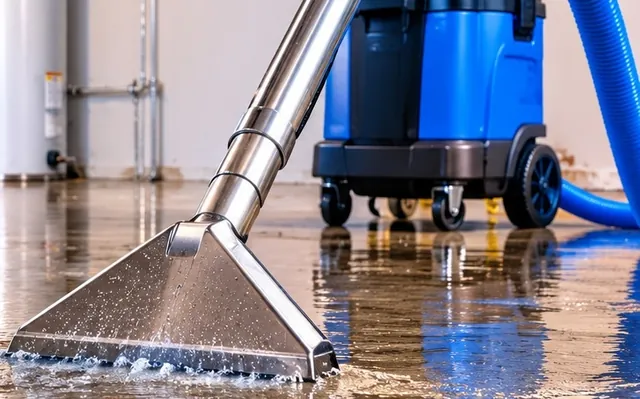
Emergency water removal means getting standing water out of a building as quickly as possible to limit damage.
Learn more →Burst Pipe Water Damage
If a pipe has burst, shut off the main water valve immediately, avoid electrical hazards, open faucets to relieve pressure and call for help.
Learn more →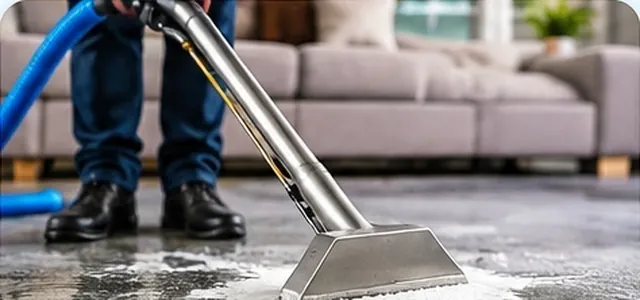
Water Extraction
Water extraction is the removal of standing and absorbed water using pumps and extractors - the first active step in drying a wet building.
Learn more →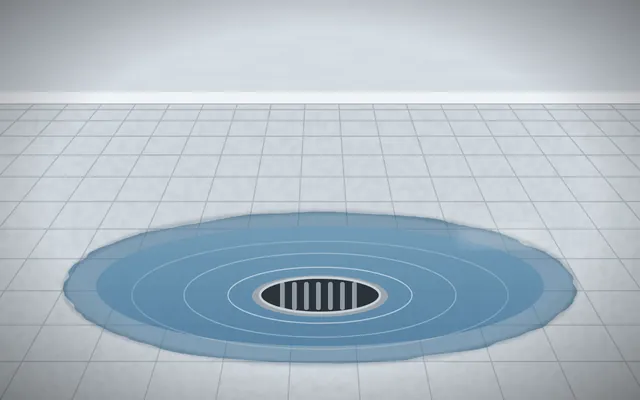
Sewage Backup Cleanup
Treat sewage as a health hazard: keep people and pets away, do not try to clean it with household tools, and call a professional.
Learn more →