
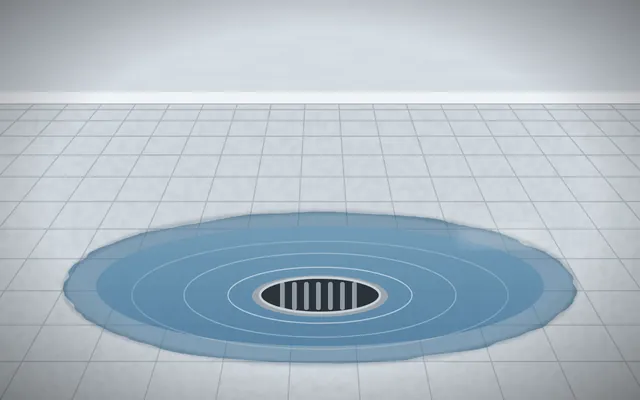
Short answer: Treat sewage as a health hazard: keep people and pets away, do not try to clean it with household tools, and call a professional. Contaminated materials usually have to be removed, and the area must be cleaned and disinfected.
What is sewage backup cleanup?
Sewage backup occurs when wastewater flows back into a building through drains, toilets or floor drains. In restoration terms it is Category 3 (contaminated) water and requires protective equipment and specific procedures.
Common causes and situations
- Clogged or damaged sewer lateral
- Tree roots in lines
- Municipal sewer surcharge during heavy rain
- Septic system failure
- Blocked main drain
Signs you may need help
- Gurgling drains
- Water rising in floor drains or tubs
- Foul odor
- Multiple fixtures backing up together
What the process generally involves
- Stop use of plumbingAvoid flushing or running water.
- Protect peopleIsolate the area; use protective gear.
- Remove water and wasteSpecialized extraction.
- Remove contaminated materialsPorous materials are bagged and removed.
- Clean and disinfectAntimicrobial treatment of surfaces.
- Dry and verifyDry, then evaluate for odor and remaining moisture.
Equipment and methods
Protective suits, gloves and respirators, extractors, antimicrobial treatments, air scrubbers and dehumidification.
Safety considerations
- Avoid skin contact and do not eat or drink in the area.
- Keep children, pets and anyone immunocompromised away.
- Do not mix cleaning chemicals.
- Wash hands thoroughly.
What to do right now
- Stop using water
- Leave the area
- Call a professional
- Contact a plumber for the blockage
When to contact a professional
Always. Do not attempt DIY cleanup of sewage; materials that absorbed it generally cannot be safely cleaned. If you are not sure where to start, learn how the call process works or read about local water damage assistance.
What affects cost?
Providers set their own prices, and costs vary with the factors below. We do not publish prices because we do not set them; ask the provider for an explanation of charges before work begins.
- Amount and spread of contamination
- Materials removed
- Disinfection scope
- Drying and odor control
- Plumbing repair, separate
Local relevance in Idaho
Properties on older sewer lines or with mature trees may be more prone to blockages; a plumber can scope the line. Callers in these areas can request help, subject to provider availability:
Frequently asked questions
Can I clean up a small sewage backup myself?
Health agencies advise caution; contaminated water can carry harmful organisms, and porous materials generally need removal.
Does insurance cover sewer backup?
Often it requires a specific endorsement. Check your policy.
Who fixes the clog?
A plumber or sewer contractor.
Related services
Flood Damage Cleanup
Flood damage cleanup removes floodwater, mud and contaminated materials and dries and sanitizes the structure.
Learn more →
Basement Flood Cleanup
If your basement has flooded, stay out of the water until electricity is addressed, stop the source if you can, and call a professional to pump out water and dry the space.
Learn more →
Water Extraction
Water extraction is the removal of standing and absorbed water using pumps and extractors - the first active step in drying a wet building.
Learn more →
Commercial Water Damage Restoration
Commercial water damage restoration addresses water losses in offices, retail spaces, apartments and other non-single-family properties.
Learn more →