
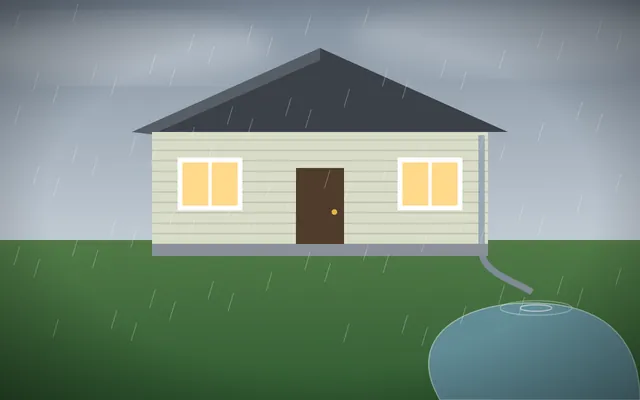
Short answer: Residential water damage restoration covers houses, townhomes, condos and rental homes. It combines emergency water removal, drying, cleaning and repairs, and often involves coordinating with an insurer. Call to be connected with a provider.
What is residential water damage restoration?
Home losses typically affect carpets, drywall, cabinets, flooring and personal belongings. Providers prioritize stopping further damage, protecting contents and drying the structure before reconstruction.
Common causes and situations
- Plumbing failures
- Appliance leaks
- Roof leaks
- Basement flooding
- Sewer backups
- Window and door leaks
Signs you may need help
- Stains, odors, warped floors
- Wet carpet or padding
- Soft drywall
- Mold-like spots
What the process generally involves
- Contain and assessStop the source; inspect rooms.
- ExtractRemove water.
- Protect contentsPack out or move belongings.
- DryStructural drying with monitoring.
- CleanContent cleaning and sanitizing.
- RebuildRepairs to restore the home.
Equipment and methods
Extractors, air movers, dehumidifiers, moisture meters, thermal cameras and cleaning systems.
Safety considerations
- Avoid electrical hazards.
- Don't use damaged appliances.
- Keep children and pets out of wet rooms.
- Wear gloves and masks in musty areas.
What to do right now
- Stop the water
- Move belongings
- Photograph the damage
- Call for help; contact your insurer
When to contact a professional
If water has soaked carpet, drywall or flooring, or you cannot tell how far moisture has spread. If you are not sure where to start, learn how the call process works or read about emergency water damage services in Idaho.
What affects cost?
Providers set their own prices, and costs vary with the factors below. We do not publish prices because we do not set them; ask the provider for an explanation of charges before work begins.
- Rooms affected
- Water category
- Materials replaced
- Drying duration
- Contents handling
Local relevance in Idaho
Idaho homes range from older bungalows and mountain cabins to new subdivision builds, each with different plumbing and moisture risks. Callers in these areas can request help, subject to provider availability:
Frequently asked questions
Should renters call a restoration provider?
Report the loss to the landlord or property manager first; they may have a preferred process.
What belongings can be saved?
Many hard items can be cleaned and dried; porous items soaked with contaminated water often cannot.
How soon should I call?
As soon as possible; materials begin to deteriorate quickly.
Related services

Water Damage Restoration
Water damage restoration is the full process of stopping the source of water, removing standing water, drying the structure and contents, cleaning affected materials and repairing what cannot be saved.
Learn more →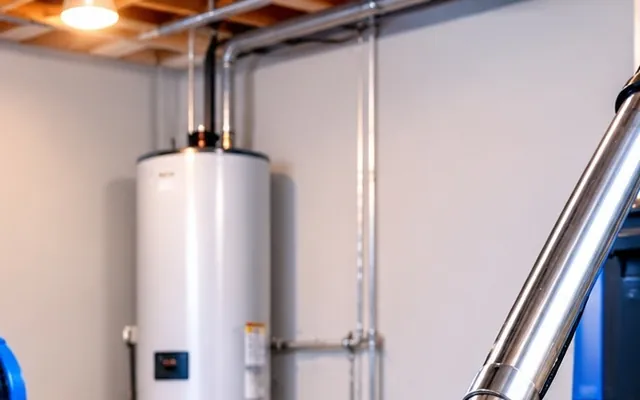
Appliance Leak Cleanup
For an appliance leak, unplug the appliance if safe, shut off its water supply, remove standing water and dry the area.
Learn more →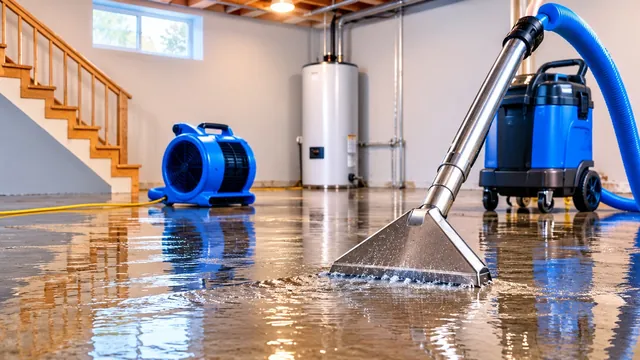
Basement Flood Cleanup
If your basement has flooded, stay out of the water until electricity is addressed, stop the source if you can, and call a professional to pump out water and dry the space.
Learn more →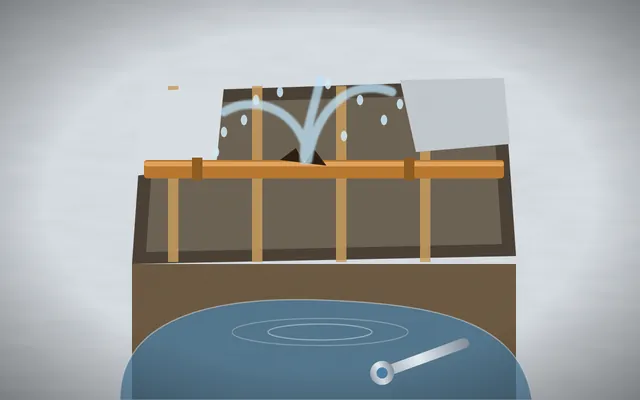
Burst Pipe Water Damage
If a pipe has burst, shut off the main water valve immediately, avoid electrical hazards, open faucets to relieve pressure and call for help.
Learn more →