
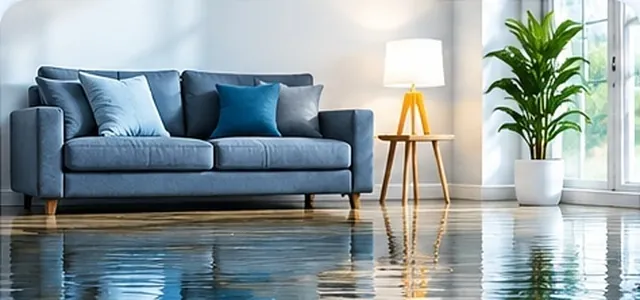
Short answer: Water damage restoration is the full process of stopping the source of water, removing standing water, drying the structure and contents, cleaning affected materials and repairing what cannot be saved. Call us and we will connect you with an Idaho provider who can assess your situation.
What is water damage restoration?
Restoration is broader than cleanup. Cleanup removes the visible water and debris; restoration aims to return the building to a dry, safe, usable condition, which usually includes moisture measurement, drying, sanitizing and reconstruction. Independent providers decide the scope after inspecting the property.
Common causes and situations
- Burst, frozen or leaking supply lines
- Failed water heaters, washing machines, dishwashers and refrigerator lines
- Roof leaks and ice dams after winter storms
- Sewer or drain backups
- Groundwater or surface water entering basements and crawl spaces
- Fire sprinkler or HVAC condensate failures in commercial buildings
Signs you may need help
- Wet, stained or sagging drywall and ceilings
- Warped flooring, swollen baseboards or cupped hardwood
- A persistent musty smell, even without visible water
- Peeling paint or bubbling wallpaper
- Higher-than-usual water bills, which can indicate a hidden leak
What the process generally involves
- Stop the sourceShut off the water supply or isolate the leak so damage does not spread.
- Inspect and assessA provider checks affected areas and may use moisture meters or thermal imaging to find hidden water.
- Remove standing waterPumps and extractors remove bulk water quickly.
- Dry the structureAir movers and dehumidifiers pull moisture out of materials; readings are tracked until materials reach drying goals.
- Clean and sanitizeAffected surfaces and salvageable contents are cleaned, and contaminated materials may be removed.
- RepairRemoved drywall, insulation, flooring or trim are rebuilt, sometimes by a separate contractor.
Equipment and methods
Providers commonly use extraction pumps, air movers, low-grain refrigerant or desiccant dehumidifiers, moisture meters and thermal cameras. Which tools are used depends on the water source, the materials and the size of the loss.
Safety considerations
- Do not touch electrical outlets, cords or appliances while standing in water; shut off power at the panel only if you can reach it safely and dry.
- Avoid contact with water that may be contaminated by sewage or chemicals.
- Do not enter a room with a sagging, water-filled ceiling.
- If you smell gas or suspect structural damage, leave and call emergency services.
What to do right now
- Stop the water at its source if it is safe to do so.
- Move valuables and electronics out of wet areas.
- Take photos and video before cleaning for your records.
- Call to be connected with a provider rather than waiting to see if it dries by itself.
When to contact a professional
Call a professional when water has soaked carpet pads, drywall, insulation or subflooring, when the water came from a drain or sewer, when more than a small area is wet, or when you cannot tell where the moisture is going. Materials that stay wet can begin to grow mold within days, so waiting rarely saves money. If you are not sure where to start, learn how the call process works or read about water damage help across Idaho.
What affects cost?
Providers set their own prices, and costs vary with the factors below. We do not publish prices because we do not set them; ask the provider for an explanation of charges before work begins.
- Size of the affected area and how many rooms are involved
- Category of water (clean, gray or contaminated)
- How long materials have been wet
- Amount of demolition and rebuilding required
- Equipment needed and how many days drying takes
- Whether the loss is residential or commercial, and access to the property
Local relevance in Idaho
Idaho's cold winters, spring snowmelt and extensive irrigation systems mean water can reach buildings in several ways, from frozen supply lines in January to groundwater in spring. Callers in these areas can request help, subject to provider availability:
Frequently asked questions
What is the difference between water damage cleanup and restoration?
Cleanup removes visible water and debris. Restoration also covers drying the structure to target moisture levels, sanitizing and rebuilding damaged materials.
How long does water damage restoration take?
Simple drying can take several days; losses with demolition and rebuilding can take weeks. The provider can give an estimate after inspecting.
Does homeowners insurance cover water damage?
Many policies cover sudden and accidental water damage but exclude flooding or long-term seepage. Check your policy and speak with your insurer; this website cannot confirm coverage.
Related services
Water Extraction
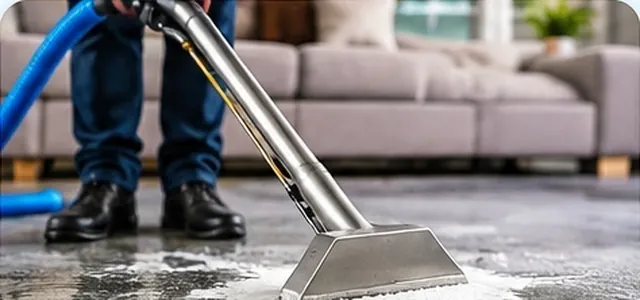
Water extraction is the removal of standing and absorbed water using pumps and extractors - the first active step in drying a wet building.
Learn more →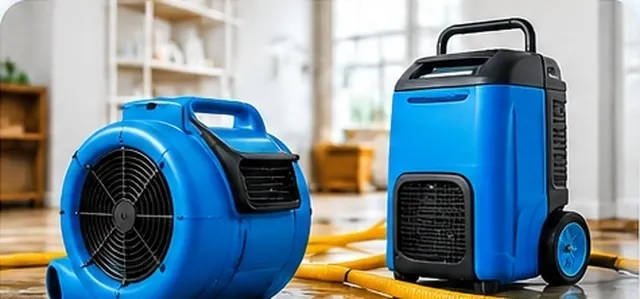
Structural Drying
Structural drying uses controlled airflow, dehumidification and moisture monitoring to remove water from building materials after extraction.
Learn more →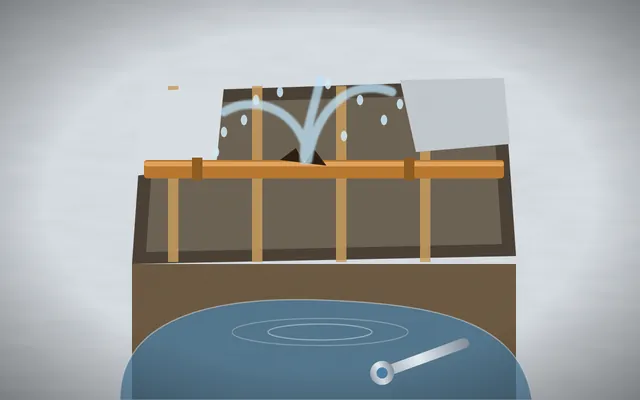
Emergency Water Damage Help
In a water emergency, make the situation safe first: stop the water, avoid electrical hazards and move people and valuables out of harm's way.
Learn more →
Residential Water Damage Restoration
Residential water damage restoration covers houses, townhomes, condos and rental homes.
Learn more →