
Quick answer: As quickly as is safe. Standing water soaks into drywall, baseboards and subfloors, and wet materials can start to deteriorate and support mold within one to two days.
Why speed matters
Water keeps migrating after you stop seeing it: it wicks up walls, seeps under baseboards and saturates carpet padding. The longer it sits, the more material becomes unsalvageable.
What a safe timeline looks like
The best-case scenario is to remove bulk water within hours and begin structural drying within a day. Contaminated water, such as sewage or floodwater, needs professional handling.
What can slow things down
- Electrical hazards in the water
- Contamination requiring protective equipment
- Deep water in a basement that must be lowered in stages
- Delays in finding the source
Who should do it
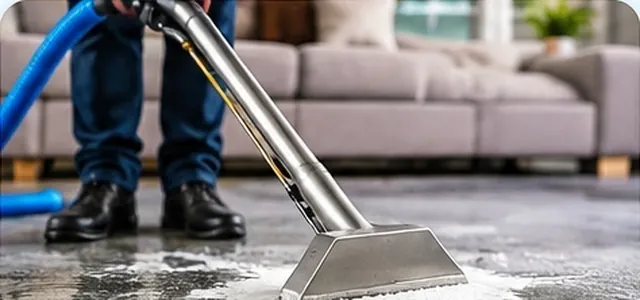
For anything beyond a thin film, a professional with pumps and extractors is usually faster and safer. Learn more about water extraction and how drying follows.
Frequently asked questions
Can I leave standing water until tomorrow?
It is not advisable. Each additional hour allows more absorption and increases cost and risk.
References
Need help with water damage in Idaho?
If you are dealing with a loss right now, you can ask for help and be connected with a provider. Learn more about emergency water damage services in Idaho, or see water extraction and emergency water removal.