
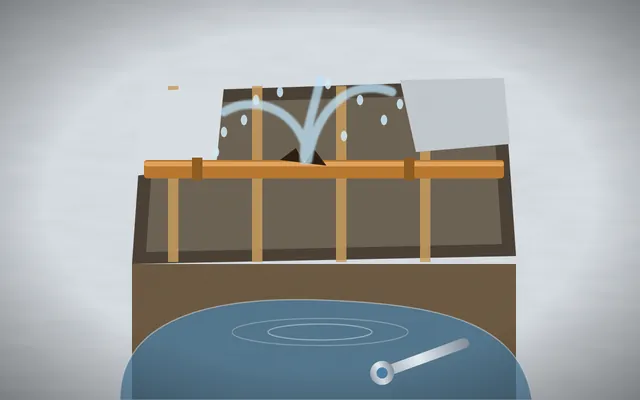
Quick answer: Insulate exposed pipes, keep heat on, let faucets drip in hard freezes, disconnect hoses and know your main shutoff. For vacant homes, consider draining the system or having someone check the property.
Before winter
- Insulate pipes in crawl spaces, attics and garages
- Disconnect and drain hoses; shut off exterior spigots
- Seal gaps where cold air enters
During a cold snap
- Keep heat above a safe minimum
- Open cabinet doors under sinks on exterior walls
- Let faucets drip
If a pipe freezes
Shut off the water, open the faucet and thaw gently with warm air - never an open flame. If it has burst, see burst pipe water damage.
Seasonal and vacation homes
Homes left empty are most at risk. Ask a trusted person to check the property, or arrange to shut off and drain the water supply.
Frequently asked questions
How cold does it have to be for pipes to freeze?
Risk rises when temperatures drop below freezing for extended periods, especially for pipes in exterior walls and unheated spaces.
References
Need help with water damage in Idaho?
If you are dealing with a loss right now, you can ask for help and be connected with a provider. Learn more about Idaho water damage services, or see burst pipe water damage and emergency water damage help.