
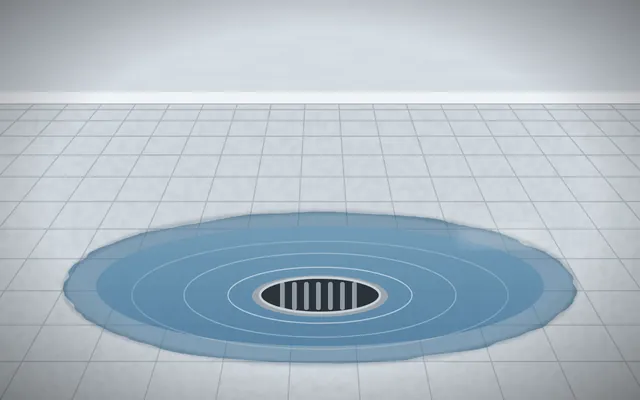
Quick answer: Stay out of the affected area, stop using plumbing, keep children and pets away and call a professional. Sewage-contaminated porous materials generally need to be removed.
Immediate steps
- Stop using sinks, tubs and toilets
- Keep people and pets out
- Do not try to vacuum or sweep
Why it is a health hazard
Sewage can contain bacteria and other pathogens. Public health agencies recommend protective equipment and thorough disinfection.
Get help
Call a plumber for the blockage and a provider for cleanup. See sewage backup cleanup for the process.
Safety first. Avoid electrical hazards around water, do not enter areas with sagging ceilings or structural damage, and treat sewage or floodwater as contaminated. This article is general information, not professional, legal or insurance advice.
Frequently asked questions
Can I use bleach to disinfect?
Follow guidance from public health sources and never mix chemicals; professionals use appropriate disinfectants.
References
Need help with water damage in Idaho?
If you are dealing with a loss right now, you can ask for help and be connected with a provider. Learn more about water damage help across Idaho, or see sewage backup cleanup and flood damage cleanup.